From Charter and Fractional Programs to Owning Your Own Aircraft
Private aviation has never offered more ways to travel. On-demand charter allows you to select an aircraft for a particular trip without making a long-term commitment. Jet cards provide more predictable access and pricing. Fractional programs combine many of the benefits of ownership with the convenience of a professionally managed fleet. For many people, one of these options will always remain the right answer.
Whole-aircraft ownership offers something different. It gives an individual, family, or company control over a specific aircraft and nearly every aspect of the travel experience. That control can extend to scheduling, crew selection, cabin configuration, connectivity, maintenance standards, onboard service, and baggage capacity.
The distinction matters because purchasing an aircraft is not simply another way to buy flight time. It is a decision to acquire, operate, maintain, and eventually sell a complex transportation asset. The financial analysis is important, but ownership decisions are rarely made on hourly cost alone. They are made because the buyer wants an aircraft that is available when needed, operated by a familiar crew, configured to their preferences, and capable of supporting the way they travel.
In some cases, whole ownership can be more financially attractive than continuing to purchase charter, jet card, or fractional hours. In others, purchasing an aircraft may cost considerably more while still being the preferred solution because of the flexibility and control it provides. The right answer depends on where the traveler flies, how often they fly, how much flexibility they need, and what they’re willing to spend.
This guide is designed to help prospective buyers understand the complete decision of whole-aircraft ownership, including situations where charter, jet cards, or fractional programs may remain the better solution.
It examines the differences between charter, jet cards, fractional programs, and whole ownership. It also includes dedicated discussions of pre-purchase evaluations, damage history, avionics obsolescence, aircraft tax considerations, and the transition from piston to turbine ownership.
The tax, legal, regulatory, and financial information in this guide is educational and should not be treated as individualized advice. Aircraft transactions should be coordinated with qualified aviation legal counsel, tax advisors, accountants, insurance professionals, and technical experts.
How Private Travelers Progress Toward Aircraft Ownership

Most aircraft owners do not begin their private aviation experience by purchasing an airplane. Ownership typically develops after a traveler has used charter, a jet card, or a fractional program long enough to understand both the value of private travel and the limitations of purchasing access to someone else’s aircraft.
Charter is often the natural entry point. It requires no continuing capital commitment and allows the customer to select an aircraft appropriate for each trip. A short regional flight for three or four passengers may be completed in a light jet or turboprop, while a longer trip with additional passengers and baggage may call for a super-midsize or large-cabin aircraft. The traveler is not responsible for staffing, maintaining, insuring, or hangaring the aircraft.
For occasional private travel, that flexibility provides everything some people need. It allows the customer to pay for transportation on demand and avoids fixed ownership costs during the rest of the year. The tradeoff is variability. The aircraft available for one trip may differ from the aircraft provided for the next. Cabin condition, crew, connectivity, baggage capacity, and amenities can vary even within the same charter category. Availability may become tighter around holidays, major sporting events, and other periods of strong demand. A customer may also encounter repositioning charges, minimum daily utilization, deicing expenses, cancellation provisions, and other terms that make the real cost more complicated than the quoted hourly rate.
As utilization becomes more frequent, many travelers move to a jet card. Jet cards can simplify the process by placing each trip under an established set of program terms. Depending on the provider, the customer may receive guaranteed access to an aircraft category, predetermined pricing, defined booking procedures, and reduced exposure to repositioning charges.
The simplicity is valuable, but a jet card is only as strong as the contract and provider behind it. Two programs offering similar hourly rates may differ considerably in peak-day access, service areas, daily minimums, interchange rules, cancellation terms, refundability, fuel adjustments, deicing charges, and the protection of deposited funds. Jet cards simplify private travel by creating a predictable framework for pricing, availability, and booking procedures. While they can reduce some of the uncertainty associated with on-demand charter, the traveler is still relying on a provider’s fleet and operating structure rather than a dedicated aircraft.
Fractional ownership goes a step further by allowing the customer to purchase an undivided interest in an aircraft while receiving access to a professionally managed fleet. Under a traditional fractional structure, the aircraft associated with the customer’s share becomes part of a larger interchange fleet, and the owner generally travels on whichever program aircraft is positioned to serve the trip.
This structure can provide greater consistency and more reliable access than purchasing charter one trip at a time. It also removes most of the daily administrative responsibilities associated with operating an aircraft. The program handles the crews, maintenance, insurance, scheduling, and fleet management.
However, the customer has purchased access to a system rather than control over a single aircraft. The airplane on the ramp may not be the one connected to the purchased interest, and it may not be the same aircraft or crew from the previous trip. Fractional agreements also include more than the initial share price. Monthly management fees, occupied hourly charges, fuel adjustments, interchange provisions, taxes, program escalation, and the eventual resale formula all affect the total cost.
For many frequent travelers, fractional ownership offers an excellent balance. They receive structured fleet access without building a flight operation around a specific aircraft. For others, the remaining compromises become more noticeable over time.
This is usually where whole ownership enters the conversation. The traveler may want the cabin configured in a particular way, a consistent crew who understands family and business requirements, reliable baggage capacity, predictable connectivity, control over maintenance standards, or the ability to launch with limited notice. At this stage, most travelers have already concluded that private aviation creates meaningful value for their personal or business travel. The next question is whether they need the same crew, the same aircraft, and the ability to change plans on short notice without depending on a fleet provider.
Ownership Is Primarily a Decision About Control

Cost is one of the most important factors in any ownership decision, but it is only one part of a much broader evaluation. Buyers often purchase aircraft because they want to leave when they choose, fly on the same aircraft each trip, work privately in flight, and avoid depending on someone else’s schedule.
A whole-aircraft owner determines how the airplane is maintained, who operates it, how the cabin is equipped, what remains onboard, and how trips are handled when plans change. A familiar crew learns the owner’s normal destinations, passenger preferences, business requirements, security expectations, and approach to scheduling. Personal items or equipment may remain aboard. Connectivity can be selected for actual passenger needs rather than accepted as part of whatever charter aircraft happens to be available.
Those benefits are hard to reduce to a per-hour cost. Their value depends on the owner.
Consider a business leader who routinely needs to visit several company facilities within the same week. If a delayed departure causes one meeting to be missed, the effect may be greater than the difference between the cost of chartering and owning. Similarly, a family that travels with pets, specialized equipment, or a passenger with mobility requirements may place more value on a consistent cabin and crew than a conventional utilization analysis recognizes.
Whole ownership does not eliminate every disruption. Aircraft require scheduled maintenance, and mechanical discrepancies can occur without warning. Pilots are subject to duty and rest limitations. Weather, air traffic control, airport restrictions, and international requirements can still affect a trip.
The difference is that the owner determines how these issues are managed. Maintenance can be planned around the travel calendar. Backup lift can be arranged through a management company. Crew staffing can be structured around the owner’s normal schedule. A long-term plan can reduce the number of unexpected conflicts between aircraft availability and travel demand.
When Does Whole Ownership Begin to Make Sense?

Flight time is a useful starting point, but there is no universal number of annual flight hours when someone should purchase an aircraft. Two travelers may each fly 200 hours per year and still require different solutions. One may fly a predictable schedule with four passengers between the same group of airports. The other may alternate between short domestic trips for two passengers and international travel for twelve. The first traveler may be well suited to owning an aircraft supported by occasional supplemental charter. The second may benefit more from maintaining access to several aircraft types.
For many people, ownership generally becomes more attractive as the traveler’s mission becomes consistent, utilization increases, and control becomes more valuable. Short-notice trips and peak-period travel also affect the analysis. Someone who can schedule most flights weeks in advance has a different availability requirement than someone whose itinerary regularly changes within 24 hours.
The decision becomes particularly compelling when a transportation delay carries a meaningful cost. A company using an aircraft to move technical teams, visit several facilities in one day, support time-sensitive transactions, or reach locations with limited commercial service may generate value that will never appear in a direct operating-cost estimate. In these situations, the aircraft functions as a business tool rather than a transportation expense. Faster access to facilities, the ability to visit multiple locations in a single day, and improved scheduling flexibility can create operational advantages that are difficult to capture in a traditional cost comparison.
Private ownership can produce similar value outside business travel. The ability to use smaller airports may bring the passenger closer to a residence or destination. Consistent crew and procedures can improve privacy and familiarity. The owner can maintain greater control over pets, luggage, dietary requirements, medical considerations, and security. A family may view those benefits very differently than a corporate travel department.
Comparing the Full Cost of Each Option
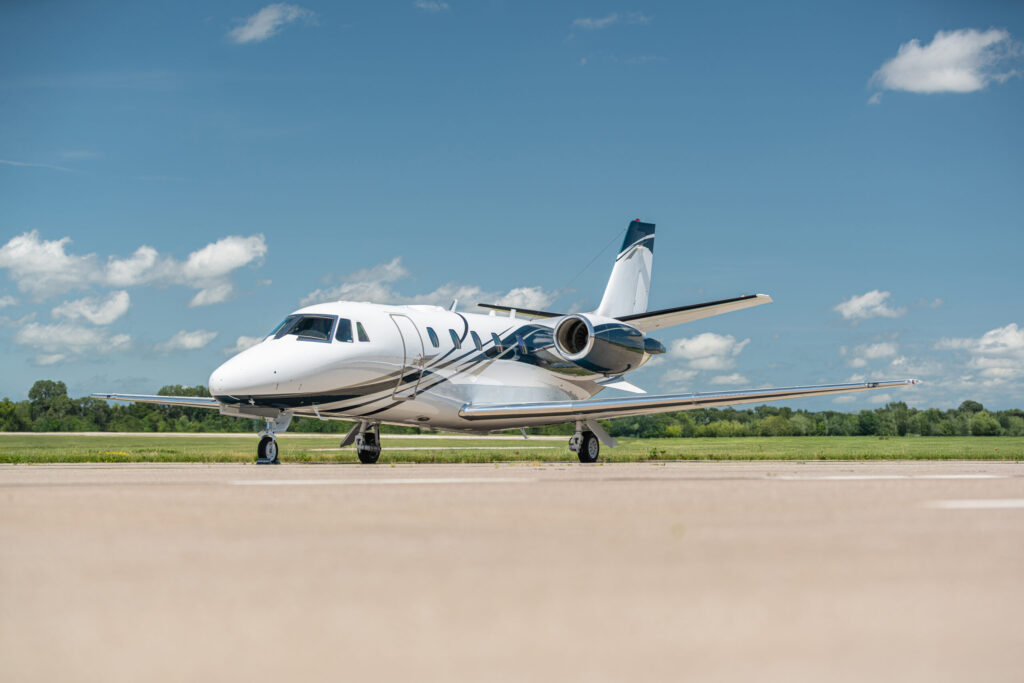
A valid financial comparison begins by abandoning the temptation to compare one advertised hourly rate with another, as it doesn’t tell the whole story.
Whole ownership includes fixed costs that continue whether the aircraft flies or remains in the hangar. Crew compensation, training, insurance, hangar rent, management, maintenance tracking, navigation databases, connectivity subscriptions, accounting, and regulatory administration may continue throughout the year. Whole ownership should also consider financing expense and opportunity cost of invested capital.
Variable costs rise as the aircraft flies. Fuel is the most obvious example, but engine and auxiliary power unit reserves, routine maintenance, consumable parts, landing fees, handling, crew travel, catering, cleaning, deicing, and international trip support can all contribute to the cost of a mission.
Maintenance deserves special treatment because it does not occur in a perfectly smooth pattern. An aircraft may complete one year with relatively modest maintenance expense and enter a major inspection the next. Engines, landing gear, auxiliary power units, life-limited components, and calendar-driven inspections produce capital events that can distort a simple annual comparison. A credible ownership model should therefore cover several years and account for the aircraft’s actual maintenance schedule.
The value of the aircraft also changes. The buyer must consider the purchase price, transaction expenses, financing, improvements, anticipated depreciation, maintenance status at resale, selling expenses, and the possibility that the market will treat the aircraft differently when it is time to sell. A cockpit or cabin upgrade may improve marketability without returning every dollar invested. A major inspection may preserve value rather than increase it.
Charter, jet card, and fractional costs require the same scrutiny, and you will pay for these costs in different ways. Repositioning, daily minimums, peak surcharges, fuel adjustments, taxes, interchange, cancellation terms, international fees, monthly management charges, and unused balances may materially change the total. In the case of fractional ownership, the initial share purchase and eventual residual-value formula must also be considered. Beyond cost, buyers should also consider the value of flying with the same crew, keeping equipment onboard, and configuring the aircraft to their preferences.
A good comparison looks beyond cost and considers what each option actually delivers. Each option carries different financial obligations, operational limitations, and service expectations. Understanding those tradeoffs allows the traveler to select the solution that best aligns with their needs.
Why the Aircraft Market Is Different Than It Was Ten Years Ago

The conditions surrounding an aircraft purchase have changed substantially over the last decade. Buyers once had a relatively straightforward choice between ordering a new aircraft or selecting from a broad supply of depreciated preowned examples. Today, strong demand, production constraints, supply-chain challenges, labor availability, and substantial manufacturer order books have changed the relationship between new and used aircraft.
At the end of the second quarter of 2026, Textron Aviation reportedly carried approximately $8 billion in backlog. During the same quarter, jet deliveries declined from 49 to 40 compared with the prior year, while pricing helped support revenue. Embraer also reported continuing growth in its executive aircraft business, delivering 74 executive aircraft during the first half of 2026. These figures do not establish a delivery schedule for any individual model, but they illustrate why buyers can expect a years-long wait for a factory-new aircraft.
These conditions have also supported the value of desirable preowned aircraft. A late-model aircraft with a strong specification may offer nearly immediate availability compared with an extended factory wait. For an immediate buyer, that availability carries real value. In some cases, a lightly used aircraft may trade close to the price of a new one because the buyer is purchasing both the aircraft and the time saved by avoiding the production queue.
Limited inventory can also compress transaction timelines. A properly priced aircraft with desirable avionics, complete records, engines on a recognized program, and no significant damage history likely attracts many qualified buyers. Someone who has not assembled an acquisition team, secured financing, reviewed insurance requirements, or defined pre-purchase expectations may lose the aircraft before even being ready to proceed.
That does not mean a buyer should move recklessly. It means preparation should happen before the ideal aircraft appears. Before making an offer, your mission should be defined, your preferred models should be identified, financing options should be readily available, insurance feasibility should be explored, and the acquisition team should be assembled in advance. Preparation makes it possible to act decisively without compromising due diligence.
New, Nearly New, Mature, or Legacy?
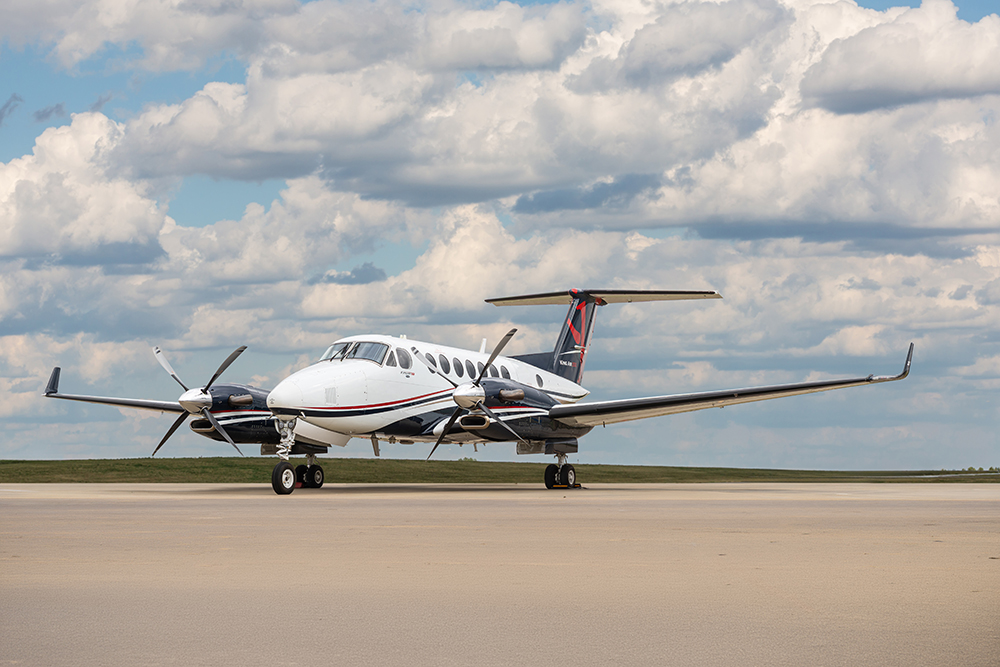
Buyers evaluating new and preowned aircraft should look beyond purchase price and consider delivery timelines, installed equipment, future maintenance costs, customization options, and how long they expect to keep the aircraft.
A new aircraft allows the buyer to select the paint, interior, cabin layout, connectivity, and optional equipment. Its history begins with the owner, and the factory warranty can reduce some near-term maintenance uncertainty. The latest aircraft may also offer improvements in fuel efficiency, runway performance, avionics, cabin configuration, sound levels, and passenger amenities.
However, ordering a new aircraft introduces other risks. The buyer may need to commit deposits long before delivery and make detailed specification decisions without having operated the aircraft. Purchase agreements can include escalation provisions, acceptance procedures, delivery conditions, and deadlines that require experienced review. The owner’s mission may also change during a long production period.
A company can acquire or sell locations. Family travel patterns can evolve. Passenger counts can increase or decline. A model that appeared ideal when the agreement was signed may be less appropriate several years later. A buyer entering a long production queue should consider whether the aircraft is likely to remain suitable at delivery and throughout the intended ownership period.
A nearly new aircraft may provide modern systems and much faster availability. The buyer avoids the production wait but accepts a cabin and specification selected by someone else. The aircraft may also be approaching its first meaningful maintenance events. However, low time does not necessarily mean no near-term expense, especially when calendar-driven inspections are involved.
Mature aircraft frequently represent some of the strongest values in business aviation. A properly maintained aircraft with current avionics, healthy engines, complete records, and strong product support may provide most of the capability of a newer aircraft for substantially less capital. The quality of the individual aircraft becomes more important than its age alone.
Legacy aircraft require the most discipline. These are often the airplanes that attract a prospective owner’s attention because their asking prices appear remarkably low relative to cabin size, range, and performance. Some are excellent aircraft that have been properly maintained and modernized. Others are inexpensive because the market has already priced in their future maintenance, limited support, obsolete systems, or weak resale demand. Selecting one of these aircraft could mean limited support options, increased downtime, and higher maintenance costs.
Why the Cheapest Aircraft May Become the Most Expensive

Spend enough time reviewing aircraft listings and you will eventually find a business jet that appears too affordable to ignore. The exterior photographs look good, the cabin is large, and the advertised range seems comparable to aircraft costing several million dollars more. For a first-time buyer, it is reasonable to ask why anyone would purchase the more expensive airplane.
The answer is that the acquisition price reveals only what it costs to become the owner. It says very little about what will be required afterward.
Unlike automobiles, where age and mileage often explain much of the difference in value, aircraft are heavily influenced by maintenance status, product support, equipment, records, and future capital requirements. Two airplanes built in the same year can create dramatically different ownership experiences.
Consider one mature midsize jet with engines enrolled in a comprehensive maintenance program, recently completed major inspections, current avionics, complete records, and a cabin that does not require immediate work. Compare it with another aircraft of the same model offered at a substantially lower price, which is approaching engine work, landing-gear overhaul, a significant airframe inspection, replacement of obsolete avionics, and an interior refurbishment. It may also have incomplete records or a program account that requires reconciliation.
The less expensive airplane can still be the better purchase, but only if the buyer understands the upcoming maintenance, upgrade requirements, and likely costs. If those costs are discovered after closing, the apparent discount can disappear quickly.
This is why every aircraft should be evaluated at two financial points. The first is the total amount required to acquire and place it into service. The second is the probable investment through at least the first 24 months of ownership. That second figure should include upcoming inspections, engine and APU costs, program enrollment or transfer costs, immediate discrepancies, avionics requirements, connectivity, paint, interior, crew training, entry-into-service work, and expected downtime.
A well-maintained older aircraft can remain useful for decades. Age alone does not make an airplane undesirable. The more meaningful questions are whether replacement parts, qualified maintenance providers, and manufacturer support remain available, whether the records establish its history, whether its systems meet the owner’s requirements, and whether there is a realistic plan for the capital events ahead.
Choosing the Aircraft That Fits the Mission
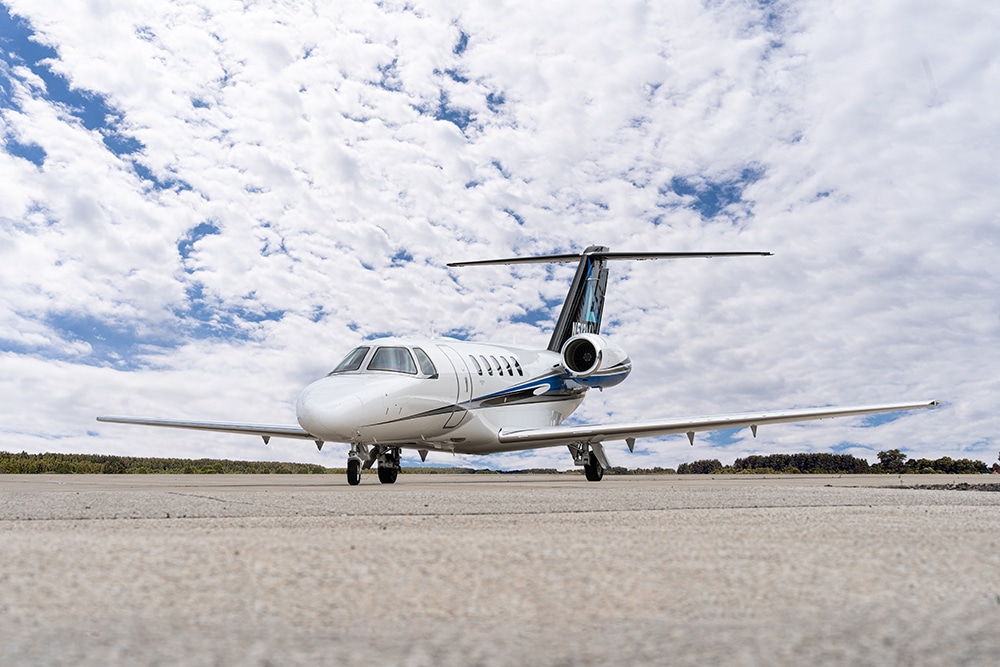
Effective aircraft selection starts with a detailed understanding of the mission. Passenger count, baggage requirements, airport access, trip length, schedule flexibility, and future travel expectations provide the foundation for evaluating specific aircraft models.
The most useful starting point is a review of the previous 12 to 24 months of travel. What city pairs were the most common? How many people were normally aboard? How much baggage did they carry? Which trips required charter, and which aircraft categories were used? How often did plans change? Which trips occurred during winter winds, hot weather, or peak-demand periods?
A prospective owner should combine this history with a realistic view of future travel. A company may expect to add locations, enter new markets, or transport larger teams. A family may anticipate more international travel or require additional baggage capacity. All of these factors are incredibly important because purchasing substantially more aircraft than your standard trip is one of the biggest mistakes prospective owners make when starting their ownership journey.
The strongest solution often serves 80 to 90 percent of recurring missions exceptionally well. Supplemental charter can address the small number of trips that require more seats, range, or baggage capacity. This is usually more efficient than operating an oversized aircraft throughout the year to avoid chartering a handful of unusual missions.
Prospective owners should also understand that published maximum range should be treated with particular caution. Aircraft range changes with passenger weight, baggage, temperature, airport elevation, winds, runway length, required reserves, routing, alternate-airport requirements, and configuration. An aircraft advertised with enough range to connect two cities may not perform that trip nonstop with a full cabin during the most demanding seasonal conditions.
A proper mission analysis should examine realistic passenger and baggage loads, actual airports, seasonal winds, and conservative fuel reserves. It should also consider what happens when the ideal conditions do not exist. If the aircraft requires a fuel stop on the most important recurring mission whenever winds are unfavorable, the theoretical range may not perform the trip the way the owner expects.
Cabin requirements deserve the same practical approach. A stand-up cabin may matter greatly on longer trips and very little on a one-hour regional mission. An enclosed lavatory, large galley, accessible baggage compartment, multiple cabin zones, or lie-flat seating may be essential for one owner and unnecessary for another. Connectivity should be evaluated according to what passengers need to accomplish in flight, not simply whether the listing says the aircraft has Wi-Fi, as LEO-equipped aircraft have a substantially different experience than aircraft equipped with ATG Wi-Fi solutions.
Turboprop or Jet?
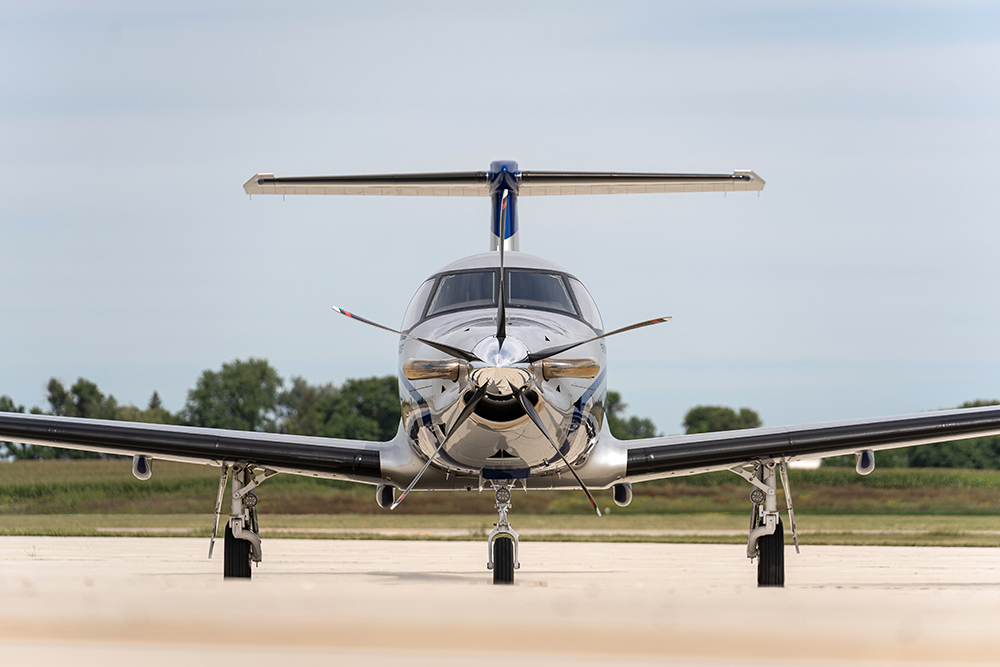
The move into whole ownership does not necessarily require a jet. For many missions, a turboprop provides greater utility at a lower operating cost.
Modern turboprops can offer large cabins, useful payload, strong short-field performance, and access to airports that may be impractical for many jets. They can be especially effective for regional travel, shorter runways, frequent cycles, and trips where the time difference between a turboprop and jet is modest.
A jet becomes more compelling as trip lengths increase and schedule sensitivity places a higher value on cruise speed. Higher operating altitudes may provide additional weather-routing options, and jet cabins may better meet the expectations of passengers accustomed to charter or fractional travel. However, the category alone does not determine suitability. A jet with limited payload, baggage capacity, runway performance, or practical range can still be the wrong aircraft.
Light jets generally serve smaller groups on regional missions. Midsize aircraft add cabin volume, baggage capacity, and range. Super-midsize aircraft often provide a strong combination of transcontinental capability, stand-up cabins, and operating economics below those of traditional large-cabin aircraft. Large-cabin and long-range aircraft are designed for more demanding domestic and international missions, larger passenger groups, multiple cabin zones, crew-rest requirements, and owners who expect a more residential onboard environment.
Understanding What an Aircraft Is Really Worth

Aircraft valuation begins with comparable completed transactions and understanding how the current supply matches the market demand. A recently completed sale is more useful than an ambitious listing, but even a closed transaction requires interpretation. The aircraft may have included fresh inspections, comprehensive engine coverage, current avionics, excellent cosmetics, or another feature that justified a premium.
A broad comparison typically considers year, make, model, total time, and cycles. However, engine time and program enrollment may materially change the risk a buyer assumes. Upcoming inspections, APU status, landing-gear requirements, avionics, connectivity, cabin layout, paint, interior condition, damage history, records, modifications, and product support can move the value substantially.
The effect of maintenance is often misunderstood, as a recently completed major inspection may not increase the sale price by the full amount spent, but an approaching inspection can still reduce what buyers are willing to pay. The market is not simply valuing the airframe. It is estimating the next owner’s cost, downtime, and risk. Maintenance records also help buyers judge how carefully the aircraft has been cared for. Deferred maintenance, incomplete records, or any item that addresses airworthiness concerns can be a major red flag.
Engine programs deserve close attention because engines can create some of the largest expenses in turbine-aircraft ownership. The phrase “on program” does not tell the buyer what is covered, whether the account is current, whether the agreement transfers, or whether a reconciliation payment will be required. Program terms, exclusions, hourly rates, annual minimums, escalation, rental-engine coverage, geographic limitations, and transfer fees should be verified directly with the provider.
Cabin condition should be evaluated alongside records, maintenance practices, and overall aircraft presentation. While interior cosmetics do not determine mechanical condition, they often provide insight into how closely an owner has maintained the aircraft as a long-term asset.
Because no single data point determines value, the buyer should receive a defensible range rather than a falsely precise number. That range should explain where the aircraft belongs relative to comparable sales and what adjustments were made for its actual condition and equipment.
The Pre-Purchase Evaluation Is Where the Aircraft Becomes Real

The purpose of a pre-purchase evaluation is to uncover issues that could affect the buyer’s future operating costs, purchase price, and whether the buyer should proceed with the acquisition. There is no universal pre-buy checklist that makes sense for every aircraft. A nearly new aircraft with complete records and factory warranty coverage may require a very different level of scrutiny than a twenty-year-old airframe with multiple owners and operating histories. Likewise, every aircraft model has its own list of common discrepancies, recurring problem areas, and maintenance considerations that should shape the inspection scope. Because of that, the most effective pre-buy evaluations are tailored to both the aircraft and the transaction itself.
However, an experienced shop that regularly performs pre-purchase evaluations can help buyers focus on the areas most likely to impact value, reliability, and future operating costs while avoiding unnecessary delays. They understand the common issues associated with specific makes and models, can prioritize the highest-risk items, and help keep the process moving efficiently. Aircraft transactions are often time-sensitive, and prolonged inspections can create uncertainty, increase costs, and put otherwise healthy deals at risk.
The facility should have meaningful experience with the aircraft type. Model-specific knowledge matters because recurring corrosion areas, system problems, inspection requirements, and documentation issues vary by aircraft. A technician who understands the model knows where expensive conditions are likely to appear and which findings require additional investigation.
The physical examination may include the airframe, engines, APU, landing gear, flight controls, pressurization, environmental systems, electrical systems, avionics, cabin equipment, connectivity, emergency equipment, paint, and interior. Engine borescopes, oil analysis, panel removal, functional testing, and a test flight may be appropriate depending on the aircraft and negotiated scope.
The records review is equally important. Aircraft records establish total times, life-limited component status, inspection compliance, Airworthiness Directive status, repairs, alterations, weight and balance, installed equipment, and continuing maintenance requirements. They may also reveal patterns of recurring discrepancies, extended periods of inactivity, prior damage, or maintenance completed outside the normal support network.
Records should be reviewed before the aircraft reaches the inspection facility whenever possible. Early research can identify gaps or questions that should influence the physical inspection. It can also prevent the buyer from spending heavily on an aircraft whose documentation is already unacceptable.
A comprehensive review should reconcile the logbooks with FAA records, major repair and alteration documents, Supplemental Type Certificates, maintenance-program information, and available accident or incident records. There is no single source that functions as a complete automotive-style history report. The aircraft’s story is assembled from several sources and then compared with what the physical airframe reveals.
Findings usually fall into three categories. Airworthiness findings affect whether the aircraft can legally and safely return to service. Contractual findings involve conditions that may not make the aircraft unairworthy but fail to meet the delivery standards established in the purchase agreement. Economic findings simply change the financial equation, affecting the aircraft’s value, anticipated maintenance costs, or purchase price.
An approaching major inspection is a useful example of an economic finding. The aircraft may be fully airworthy on the date of closing, but the buyer may inherit substantial expense and downtime shortly afterward. An obsolete flight deck, unsupported cabin system, or engine-program shortfall can create the same problem. These conditions should influence price and selection even when they do not prevent delivery.
The Purchase Agreement Determines What Happens Next

A thorough pre-purchase evaluation can identify a problem, but it cannot determine which party is responsible unless the purchase agreement already addresses that question. Before the pre-purchase evaluation, the agreement should define the facility, scope, schedule, deposit, delivery condition, discrepancy standard, repair obligations, termination rights, and closing process. It should address who pays to move the aircraft, who bears the risk of damage during inspection, whether the seller may decline expensive repairs, and what happens to the deposit if the buyer rejects the aircraft under the negotiated terms.
This becomes particularly important when a finding is open to interpretation. One party may consider a condition an airworthiness discrepancy, while the other views it as normal wear or a recommended improvement. An experienced aviation attorney can help establish definitions and remedies before either side has an incentive to interpret them differently.
The agreement should also address records delivery, maintenance-program transfers, title and lien clearance, inspection return-to-service requirements, and the condition in which the aircraft must be delivered. These details may appear procedural when the agreement is negotiated. They become consequential when the inspection reveals something expensive.
Damage History and Diminution in Value
An aircraft can be repaired correctly, documented completely, returned to service legally, and still be worth less than a comparable aircraft without damage history.
The effect of damage depends on the nature of the event, the structures or systems involved, the quality of the repair, engineering or manufacturer participation, documentation, and the availability of comparable aircraft without similar history. A minor, well-documented event may produce limited market resistance. A major structural repair can affect value and liquidity long after the aircraft has returned to normal operation.
The term “damage history” also covers a wide range of events. Hangar contact, lightning strikes, ground-handling damage, wildlife strikes, runway excursions, and major accidents are not economically equivalent. The buyer needs enough information to understand what occurred, how it was corrected, and how the market is likely to view it later.
This is why records research and physical inspection need to work together. Documentation may reveal a repair that deserves closer examination. The airframe may show evidence of work that is not adequately explained in the records. Neither review is sufficient by itself. A repaired aircraft should not be automatically rejected. It may be technically sound and appropriately priced. The buyer simply needs to recognize that the discount received at acquisition may also be expected by the next buyer at resale.
Missing Logbooks and Incomplete Records
When logbooks are missing, incomplete, or contradictory, a transaction could get incredibly complicated. A physically attractive aircraft with weak records may therefore be less desirable than a cosmetically dated aircraft with an exceptionally complete history. Paint and interior can be replaced. A lost portion of the airplane’s documented history may be impossible to fully recreate.
The records establish maintenance status, component times, regulatory compliance, modifications, repairs, and the continuing requirements necessary to operate the aircraft. A gap may create uncertainty about what work was completed, whether life-limited components can be verified, or whether an event occurred without adequate documentation.
Sometimes the missing information can be reconstructed through maintenance facilities, program providers, FAA records, invoices, and component documentation. In other cases, the uncertainty may lead to additional inspections or conservative assumptions, and future buyers may apply the same discount or scrutiny.
Logbook continuity also affects the efficiency of future maintenance. Complete, organized, searchable records make it easier to establish compliance and understand the aircraft’s history. Disorganized or incomplete records can add time and expense whenever a major inspection, import, export, financing, or sale requires a detailed review.
Avionics Obsolescence Is Different From Avionics Failure

Aircraft avionics can continue functioning long after becoming commercially obsolete.
This creates a difficult ownership problem. The system may perform normally, satisfy current requirements, and appear acceptable during a demonstration flight. Behind the panel, however, replacement displays, processors, control heads, or other components may be scarce. Repair capability may be declining, software support may be limited, and a single failure can turn a manageable component replacement into an AOG situation and a much larger modernization project.
The long structural life of an aircraft makes this issue particularly important. The Federal Aviation Administration has identified avionics obsolescence as a technically challenging and costly life-cycle problem because aircraft remain in service much longer than many of the electronic components and commercial technologies on which their systems depend. The issue involves engineering, certification, supply chains, software, continued airworthiness, and economic planning.
A proper analysis of the avionics system should determine whether the equipment remains supported, whether replacement units are available, whether repairs remain practical, and whether a recognized upgrade path exists. It should also consider pilot familiarity, training support, regulatory requirements, downtime, and the effect of the configuration on future buyers.
Obsolescence extends into the cabin as well. Outdated cabin management systems, entertainment systems, lighting, switches, monitors, and connectivity may depend on proprietary, outdated hardware that is difficult to repair. A cabin can look current while concealing technology that is one failure away from a much larger replacement project.
Avionics decisions should be based on parts availability, how the aircraft is used, how long the owner expects to keep it, and the likelihood of future upgrade costs. The objective is to understand how the current system will affect reliability, downtime, operating costs, and eventual resale value.
Modernization should be based on how the aircraft is used, whether replacement parts are available, how long the owner plans to keep it, how much downtime is acceptable, and what future buyers are likely to expect. The important point is that the buyer understands the exposure before acquisition rather than discovering it after a failure.
Maintaining an Aircraft for the Long Term
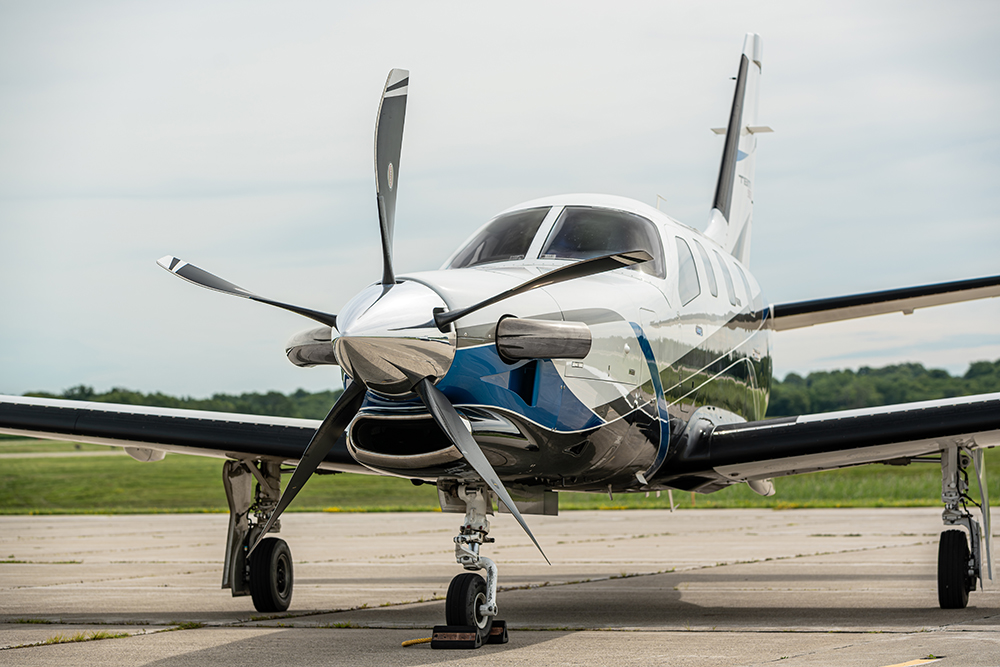
Aircraft remain in service far longer than most consumer assets because airworthiness is determined by inspection, maintenance, repair, and component replacement rather than age alone. With proper maintenance and modernization, many aircraft remain productive for decades.
Although age still matters, it does not tell the entire story. A newer aircraft can be poorly maintained, and an older aircraft can be exceptional. The more useful distinctions are maintained versus deferred, supported versus unsupported, documented versus uncertain, and mission-appropriate versus compromised.
Long-term ownership begins with a maintenance forecast. The owner should understand the aircraft’s scheduled inspections, engine and APU events, landing-gear requirements, life-limited components, calendar items, Service Bulletins, Airworthiness Directives, warranties, and program obligations. These events should be mapped against expected utilization and the owner’s travel calendar.
The forecast should also include a modernization plan. Avionics, connectivity, cabin technology, paint, and interior do not all need to be addressed at once. Combining projects with scheduled maintenance can reduce duplicated downtime and labor. An owner planning to keep an aircraft for ten years will evaluate an upgrade differently than someone expecting to sell in eighteen months.
Aircraft contain complex mechanical, electrical, hydraulic, pneumatic, environmental, and electronic systems, which means that unscheduled aircraft maintenance should always be part of the budgeting process. Components fail, inspections reveal unexpected conditions, and parts may require significant lead time. A budget that includes only fuel and scheduled inspections will understate the real cost of ownership.
Deferred maintenance requires judgment. Not every cosmetic or nonessential discrepancy needs immediate correction, and deferral may be entirely reasonable when it is legal, documented, and operationally acceptable. The problem arises when deferral becomes the operating philosophy. A growing list of unresolved items can reduce dispatch reliability, degrade the passenger experience, frustrate crews, and create an unattractive resale package. The goal is to keep the aircraft safe, flying regularly, easy to maintain, and attractive to future buyers.
Understanding 100 Percent Bonus Depreciation
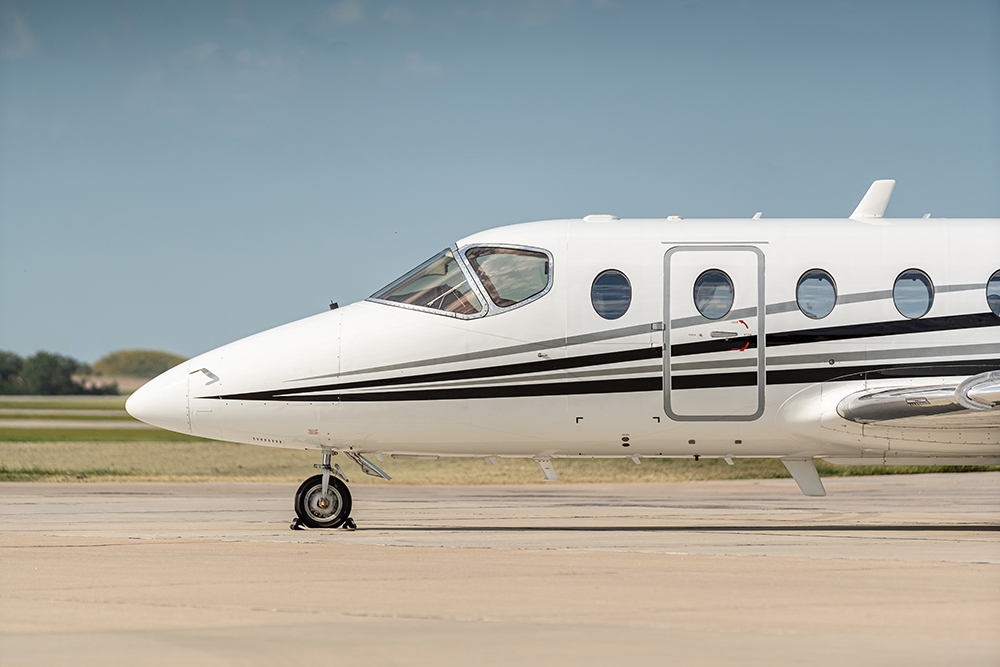
Tax planning is an important component of aircraft ownership, particularly when depreciation incentives are available. However, acquisition decisions should still be supported by operational requirements, utilization expectations, and long-term financial considerations.
Under current federal law, qualifying property acquired after January 19, 2025, may be eligible for permanent 100 percent additional first-year depreciation. The Internal Revenue Service issued Notice 2026-11 on January 14, 2026, providing interim guidance on eligibility and related elections. Certain qualifying aircraft may be eligible, but the result depends on the acquisition, placed-in-service date, business use, depreciable basis, and the taxpayer’s specific circumstances.
Bonus depreciation is a deduction, not a tax credit or purchase-price rebate. It can reduce taxable income, but it does not eliminate the need to analyze cash flow, financing, operating expenses, market depreciation, and eventual disposition.
Tax treatment can make ownership more financially attractive, particularly in the year a qualifying aircraft is placed in service. However, an accelerated deduction also moves tax benefits forward in time. It does not eliminate the economic decline in the aircraft’s value or the obligations associated with operating it.
Ownership and Operating Structure
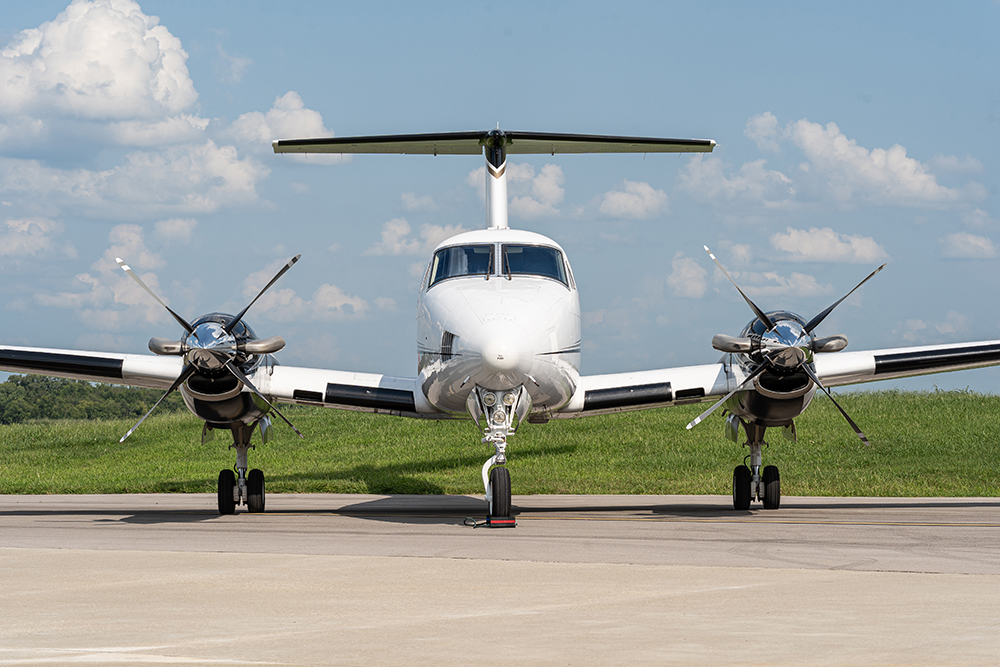
Forming a limited liability company and placing the aircraft in it may appear to be an obvious method of separating the asset from the owner or operating business. In aviation, the structure requires a more complete analysis.
A special-purpose entity that owns the aircraft and makes it available to an affiliated business may create an unintended regulatory issue if it appears to be providing aircraft and crew for compensation. Leasing arrangements, cost sharing, personal use, and reimbursement must be reviewed under both aviation and tax rules.
The titleholder, the person or business using the aircraft, the party employing the crew, the source of operating funds, and the individual exercising operational control can affect FAA compliance, federal excise tax, state sales and use tax, income-tax treatment, reimbursement, liability, and insurance.
This is why ownership planning should occur before the purchase agreement is signed. The buyer may need time to establish entities, prepare leases or operating agreements, coordinate financing, evaluate state tax exposure, and confirm the proposed structure with the insurer. Changing the buyer or structure late in the transaction can create delays and complications.
Ownership structures should accurately reflect the operational realities of the aircraft. Financing arrangements, crew employment, operational control, reimbursement practices, and tax considerations should all align with the way the aircraft will actually be used.
Aircraft Management: Operating the Aircraft Day-to-Day
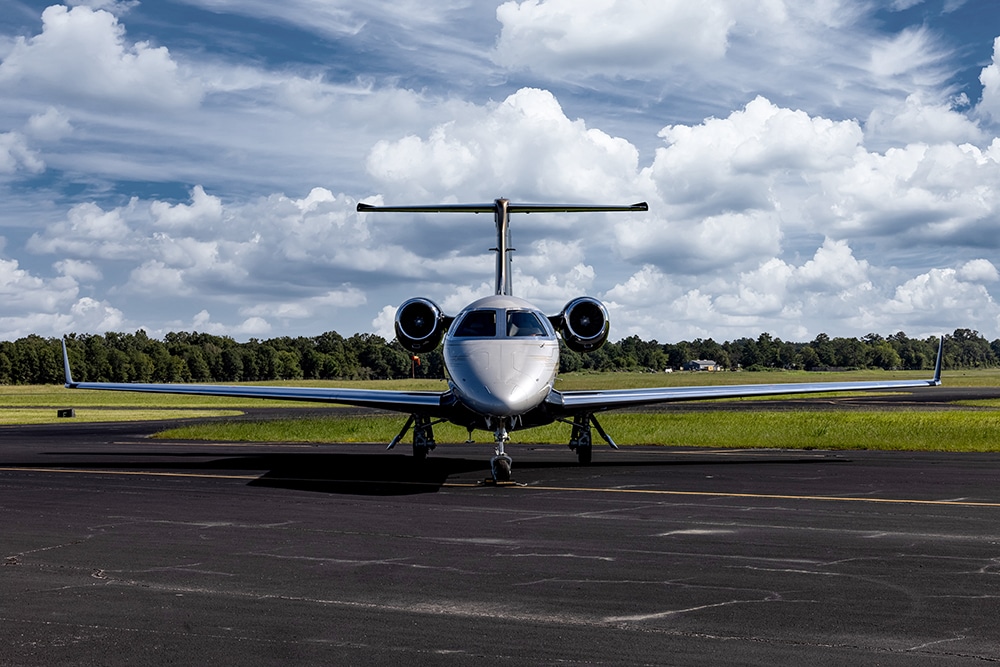
Most owners do not personally manage every aspect of aircraft operations. Even owners who employ dedicated crew members often rely on a professional aircraft management company to oversee maintenance scheduling, regulatory compliance, recordkeeping, training, trip planning, accounting, vendor relationships, and day-to-day operational support.
The scope of management services varies considerably. Some owners want comprehensive support that includes crew recruitment, payroll, hangar coordination, maintenance oversight, scheduling, and financial reporting. Others prefer a more limited arrangement focused on regulatory compliance and maintenance administration.
Selecting a management company requires the same diligence as any other ownership decision. Buyers should understand how maintenance decisions are made, who approves expenses, whether the company manages aircraft similar to theirs, how scheduling priorities are handled, and what reporting the owner will receive. Management fees are only one part of the evaluation. Experience, transparency, operational discipline, and communication often have a greater effect on the ownership experience than the management fee itself.
A strong management relationship allows the owner to focus on using the aircraft rather than operating it.
Should You Place the Aircraft on Charter?

Many owners consider chartering their aircraft when it would otherwise be sitting idle. Under the right circumstances, charter revenue can offset a portion of ownership expenses while keeping the aircraft active and generating income between owner trips.
However, charter participation introduces additional considerations. Every charter flight adds airframe time, engine cycles, cabin wear, maintenance requirements, scheduling complexity, and administrative oversight. An aircraft that flies 150 hours annually for its owner may accumulate considerably more utilization once charter activity is introduced.
Charter revenue should therefore be viewed as a contributing factor rather than a justification for ownership. A realistic analysis should consider additional maintenance, accelerated inspections, crew requirements, operating costs, management fees, potential downtime, and the effect increased utilization may have on future resale value.
For some owners, charter participation is an effective way to offset costs. For others, preserving aircraft availability, cabin condition, and scheduling flexibility is more important than generating supplemental revenue. The correct decision depends on how the aircraft will be used and the owner’s long-term priorities.
Building the Acquisition Team

Aircraft transactions require legal, financial, technical, operational, and market expertise. An experienced IADA-Accredited broker can ensure all parts of the team are experienced and working in your best interest. A capable team will not eliminate every surprise, but it will provide the buyer with independent information and a clear way to respond when one occurs.
The acquisition advisor or broker helps define the mission, identify appropriate models, locate aircraft, interpret market information, develop an offer, and manage the transaction. The aviation attorney handles the purchase agreement, ownership structure, title, closing documents, regulatory considerations, and other legal issues. The tax advisor and CPA evaluate depreciation, business use, sales and use tax, personal use, reimbursement, and the broader effect on the taxpayer.
A maintenance expert helps establish the pre-purchase scope, interpret findings, evaluate maintenance exposure, and estimate future events. The inspection facility conducts the agreed evaluation. An insurance broker determines what coverage is available and what crew or training requirements apply. A management company or chief pilot may help evaluate staffing, operating costs, hangar availability, maintenance support, and the practical demands of placing the aircraft into service.
Lenders, escrow agents, title companies, completion specialists, interior designers, and international advisors may also participate depending on the transaction.
The buyer should understand who represents whom and how each participant is compensated. If a broker represents both sides or receives fees from another party, the relationship should be disclosed and evaluated. The buyer should also know whether an advisor will remain involved through inspection, discrepancy negotiation, closing, and entry into service or consider the engagement complete once an offer is accepted.
Life After Closing

The period immediately following closing is often one of the busiest stages of aircraft ownership. Crews, maintenance programs, record systems, subscriptions, insurance requirements, and operational procedures all need to be integrated before the aircraft is fully ready for service.
Before the aircraft can deliver the experience the buyer expects, the crew must be ready, insurance conditions satisfied, maintenance tracking established, subscriptions activated, programs transferred, records organized, hangar arrangements completed, and operating procedures defined. International travel may require additional authorizations, documentation, trip support, and crew preparation.
The operating relationship also needs time to develop. A new crew learns the owner’s schedule, communication preferences, passenger expectations, normal airports, and appetite for operational risk. The owner learns how far in advance trips should be requested, how maintenance affects availability, and which missions may still be better served by charter.
A management company can handle much of this integration, but the owner should understand how the decisions are made. Maintenance authorization limits, charter availability, crew selection, expense reporting, scheduling priority, hangar arrangements, and oversight responsibilities should be clear.
Planning for Resale Begins at Acquisition
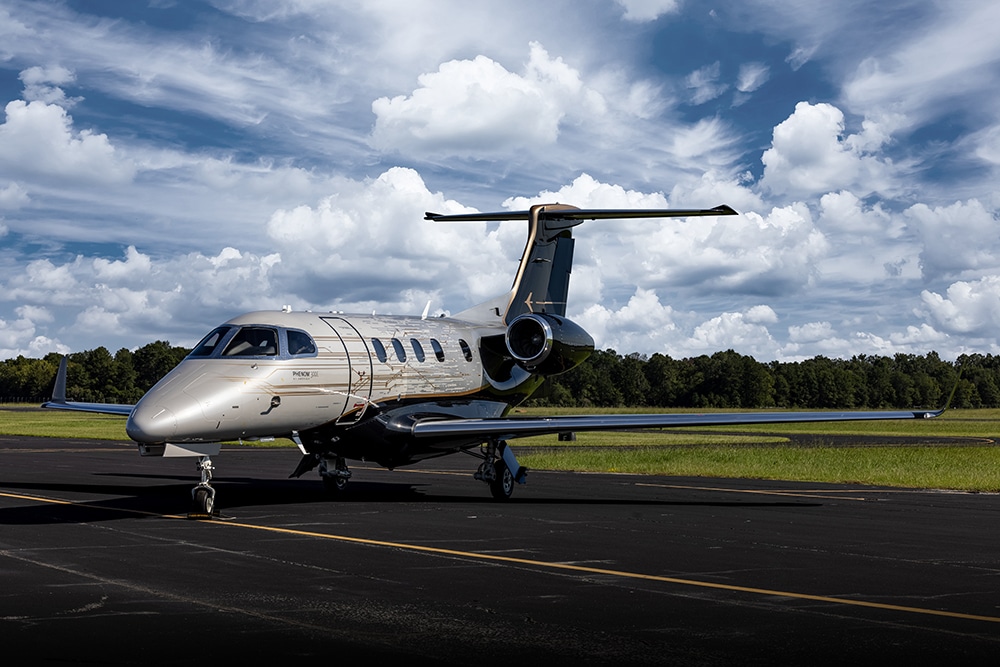
Every aircraft will eventually leave the owner’s fleet. The best time to consider that future transaction is before buying. The buyer should understand the probable ownership period, normal market for the aircraft, expected utilization, major maintenance timeline, and equipment that future buyers are likely to require. An aircraft purchased shortly before several major events may be entirely appropriate for a long-term owner who plans and budgets for them. It may be a poor choice for someone expecting to sell in two years.
Complete records remain one of the most important ways to protect value. Repairs should be documented thoroughly, maintenance programs kept current, and discrepancies managed before they become a pattern of deferral. Paint and interior should be planned according to both the owner’s enjoyment and likely market expectations.
Highly personalized improvements deserve caution. An interior tailored precisely to the current owner can be worthwhile during a long ownership period, but unusual layouts, colors, materials, or modifications may narrow the buyer pool later. The same principle applies to equipment that adds weight or complexity without broad market appeal.
Owners should monitor avionics and connectivity throughout ownership. Waiting until a system becomes unsupported can force an expensive project under unfavorable conditions. The best time to upgrade often depends on parts availability, how the aircraft is being used, how long the owner plans to keep it, how much downtime is acceptable, and what buyers in the market expect to see.
Maintenance spending should not be judged solely by whether it increases the appraised value. Some expenditures preserve reliability and marketability rather than creating an equal dollar-for-dollar increase. A major inspection, engine event, corrosion repair, or compliant records package may simply keep the aircraft competitive with other examples. That preservation is still valuable.
Making the Ownership Decision
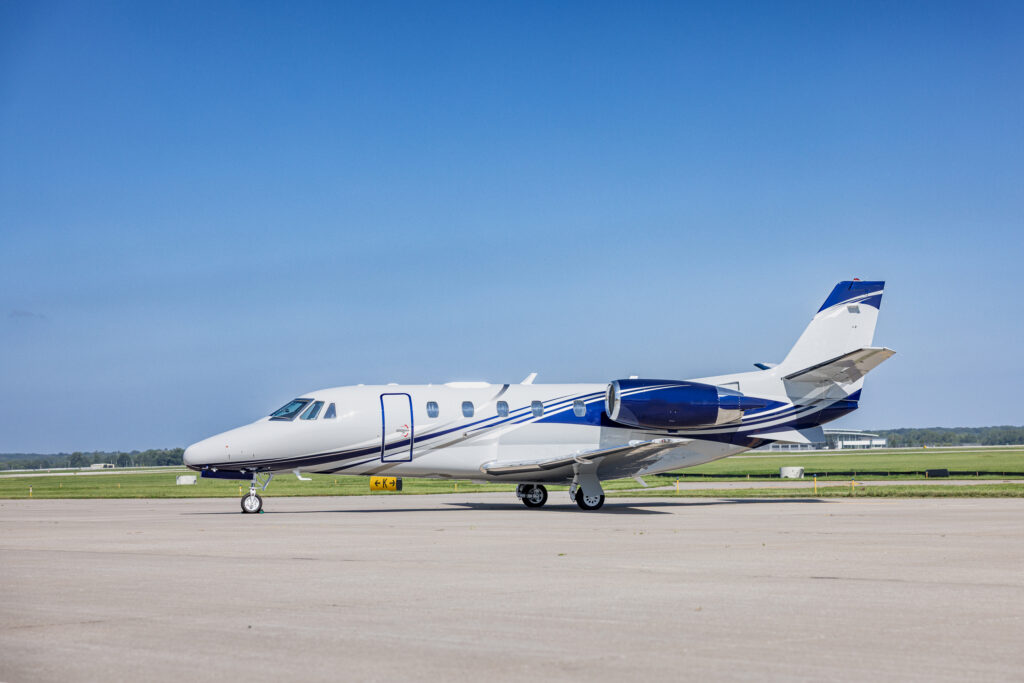
Whole-aircraft ownership is not the inevitable final step for every private traveler. Charter, jet cards, and fractional programs can provide exceptional access without the capital commitment or operational responsibilities of an aircraft. For travelers with irregular schedules, widely varying missions, or limited interest in managing an asset, those options may remain more practical.
Ownership becomes compelling when the mission is consistent, private travel is frequent or strategically important, and control over a particular aircraft creates meaningful value. That value may come from availability, schedule flexibility, a familiar crew, known maintenance history, cabin consistency, privacy, security, or the ability to configure the aircraft around a specific family or business.
The aircraft must fit the real mission rather than an imagined one. The buyer must understand the complete cost rather than the advertised hourly figure. The tax strategy must reflect legitimate business use and current law. The aircraft must pass an independent technical and records evaluation. Maintenance and modernization must be planned across the intended ownership period. The eventual resale must be considered before the first purchase agreement is signed.
When those fundamentals are in place, an aircraft can do far more than shorten a trip. It can make same-day travel possible, connect locations poorly served by the airlines, create a consistent environment for confidential work, support urgent business requirements, and give families greater control over how they travel.
The goal is to own an aircraft that performs the mission reliably, can be maintained responsibly, and continues to have the parts, support, and maintenance resources needed throughout the ownership period.
Build Your Aircraft Ownership Plan
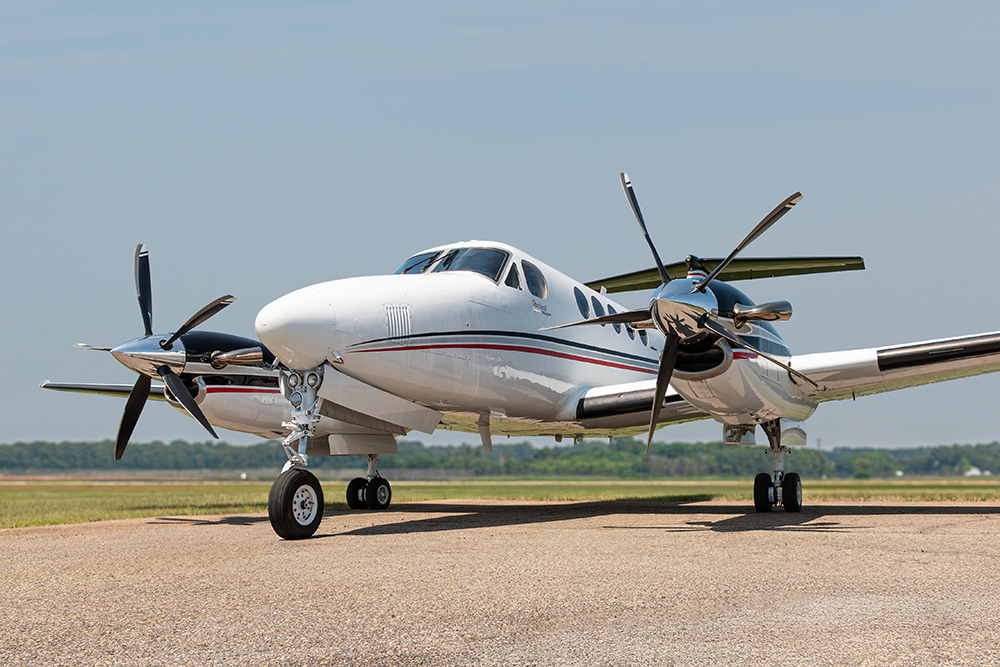
Before reviewing aircraft listings, prospective buyers should establish a clear mission profile. Understanding how the aircraft will be used provides the framework for evaluating ownership options, aircraft categories, acquisition costs, and long-term operating requirements.
Elliott Jets can help prospective owners compare whole ownership with charter, jet cards, and fractional programs; analyze prior travel; build a realistic mission profile; identify appropriate aircraft; evaluate current market conditions; and understand the acquisition and operating costs associated with each option.
Once a potential aircraft is identified, Elliott Jets can assist with valuation, records research, maintenance analysis, pre-purchase planning, discrepancy review, transaction coordination, entry into service, and long-term resale strategy.
Speak with an Elliott Jets aircraft acquisition specialist to build a confidential ownership plan based on the way you actually travel.